


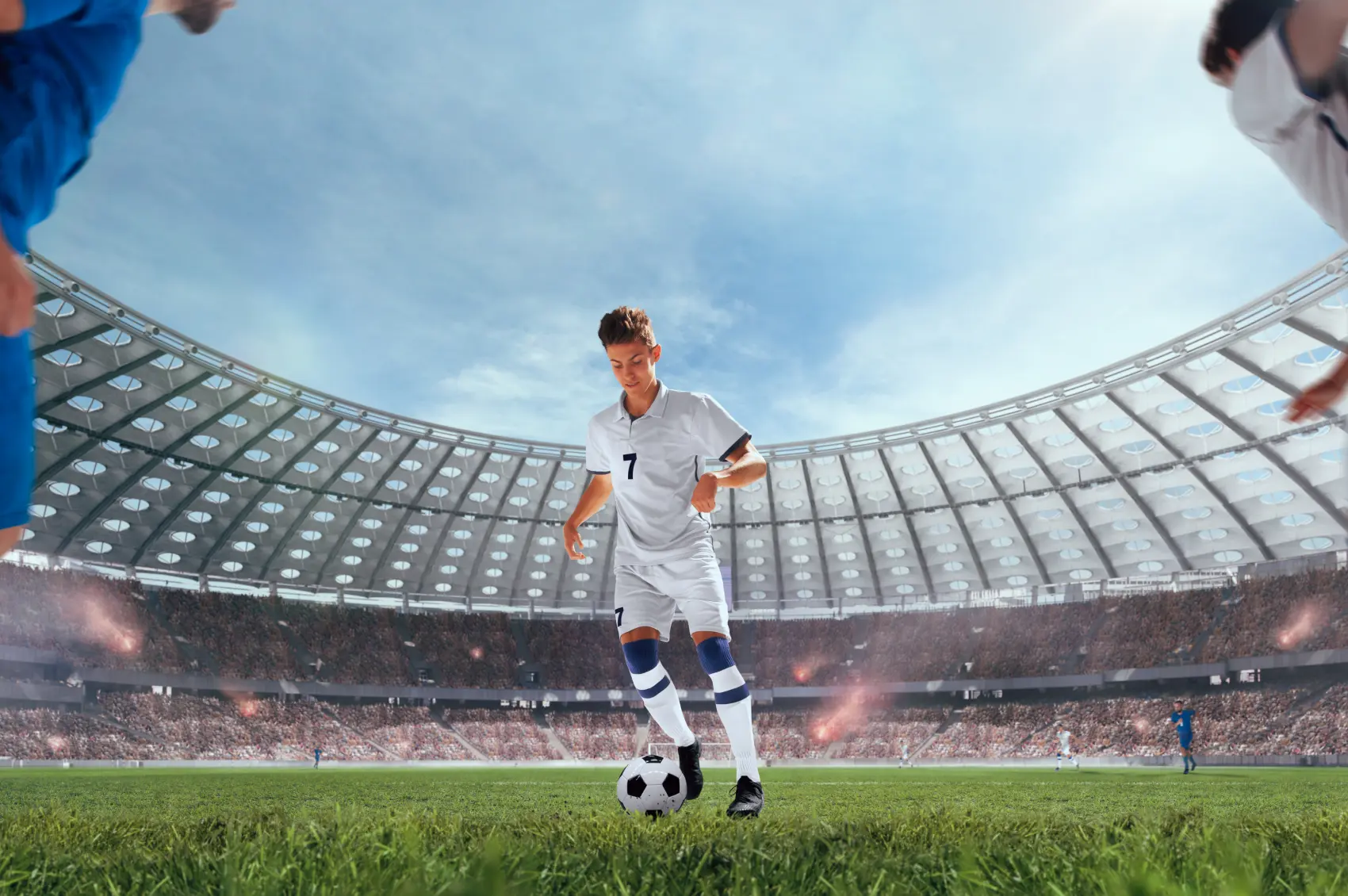
Soccer is by far and away the world’s most popular sport. Countless fans follow their teams week in, week out, while competitions like the FIFA World Cup draw a global audience. And hundreds of millions of people play the sport in local leagues or just for fun every day.
If you have epilepsy and are interested in playing this sport, check with your doctor about whether it’s safe for you to take part. This blog explores some of the potential risks and issues around playing soccer with epilepsy. It will also look at some famous players who have epilepsy.
Epilepsy and soccer - be aware of risks
Soccer is a contact sport that’s usually played outdoors. For some people with epilepsy, playing sports could increase their risk of having seizures. If you’re interested in playing soccer, you should speak with your doctor - they can provide advice based on your specific circumstances.
There is some evidence that physical activity, such as soccer, may lower the seizure threshold for some people with epilepsy. It may do this in a few different ways, including:
- Changing people’s metabolism in different ways that increases their risk of seizures developing
- Increasing tiredness or stress levels, which may trigger seizures
- Hyperventilation
- Altering concentration of anti-seizure medicine in the body
The level of risk will change from one person with epilepsy to the next. Your doctor can help you understand the potential risks for you.
Are headers safe for soccer players with epilepsy?
In recent years, there’s been growing concern about the effects of heading soccer balls on brain function. Indeed, children under the age of 10 have been barred from heading the ball during training and games in the US since 2015, due to the associated risks of concussion and brain damage.
At present, there is no conclusive evidence that heading soccer balls can cause someone to develop epilepsy. One small study in Germany suggested that heading the ball a lot could mean that people who have a predisposition to seizures may be more likely to develop them.
Famous soccer players with epilepsy
Over the decades, there have been several professional players who also had epilepsy. Here are some of the best known soccer players with epilepsy from around the world.
Ronaldo Nazario - Brazil
Considered to be one of the greatest center-forwards of his generation, Brazilian Ronaldo is reported to have suffered from seizures throughout his playing career
Iván Gonzalo Bella - Argentina
Ivan Bella is a midfielder who plays in Argentina. Bella experienced an epileptic seizure in the middle of a game in 2013.
Paul Wade - Australia
Long-time captain of the Socceroos, the Australian national team, Paul Wade experienced epilepsy symptoms for many years, but wasn’t diagnosed until he was 32.
Leon Legge - England
English defender Leon Legge has lived with epilepsy since his late teens. The player has often spoken publicly about his epilepsy to raise awareness.
Matt Crooks - England
English striker Matt Crooks has often spoken publicly about his experiences with epilepsy.
Epilepsy and soccer - where to start
If you’re a soccer fan and want to get more involved in the sport, speak with your doctor about whether it’s safe for you to participate and how to do so safely.


